The automotive landscape is dotted with vehicles that leave an indelible mark, and the 94 Ford Ranger stands as a prime example. More than just a compact pickup, this truck became a workhorse, a reliable companion, and a symbol of practicality for a generation. Whether you're a seasoned mechanic, a weekend warrior, or simply an admirer of well-built machines, understanding the 94 Ford Ranger offers a fascinating glimpse into automotive history and enduring utility. Its robust design, surprising versatility, and accessible nature made it a go-to choice for a wide array of tasks, from hauling lumber to navigating city streets. This article delves into what makes the 94 Ford Ranger such a significant and sought-after vehicle, exploring its benefits, real-world applications, and why it continues to resonate with enthusiasts today.Discover the legendary '94 Ford Ranger! Explore its enduring appeal, maintenance tips, performance, and why this compact truck remains a favorite. Why the '94 Ford Ranger Still Matters in Today's Auto WorldIn a market saturated with larger, more complex vehicles, the 94 Ford Ranger offers a refreshing simplicity and undeniable charm. Its straightforward engineering translates into easier maintenance, lower ownership costs, and a driving experience that feels connected and honest. For many, the 94 Ford Ranger represents a sweet spot between car-like maneuverability and truck-like capability. This balance makes it incredibly practical for a variety of needs, from small business owners needing a reliable hauler to individuals seeking a durable and affordable vehicle for weekend projects. The enduring popularity of the 94 Ford Ranger is a testament to its well-executed design and the loyal following it has cultivated over the years. Unpacking the Core Strengths of the '94 Ford Ranger
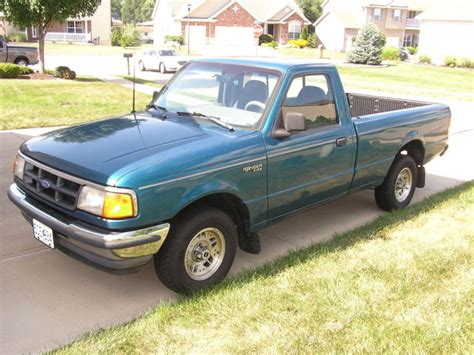
The 94 Ford Ranger wasn't just another truck; it was a thoughtfully designed vehicle that prioritized functionality and durability. Its compact size made it agile in urban environments and easy to park, a stark contrast to many of today's larger pickups. Yet, beneath its unassuming exterior lay a capable machine ready for work. Engine Options: Powering Your Adventures with the '94 Ford RangerOne of the key aspects contributing to the 94 Ford Ranger's versatility was its range of engine choices. These weren't overly complex, allowing for relatively straightforward maintenance and repair. 2.3L Inline-4: This was the standard engine, offering a good balance of fuel efficiency and adequate power for everyday tasks. It's known for its reliability and ease of service. 3.0L V6: For those needing a bit more grunt, the 3.0L V6 provided a noticeable boost in torque and horsepower, making it more suitable for heavier loads or towing. 4.0L V6: The top-tier engine for the 94 Ford Ranger delivered the most power and towing capability, making it a true workhorse for more demanding jobs.Each of these engines, when properly maintained, offered dependable performance, a hallmark of the 94 Ford Ranger . Drivetrain and Suspension: Built for the Long HaulThe 94 Ford Ranger was available in both rear-wheel drive (RWD) and four-wheel drive (4WD) configurations. The 4WD models were particularly popular for those who needed extra traction for off-road excursions or in challenging weather conditions. The suspension system, while not designed for extreme off-roading out of the box, was robust enough to handle daily driving and moderate loads with confidence. This made the 94 Ford Ranger a practical choice for a wide range of users. Real-World Applications: How the '94 Ford Ranger ExcelsThe true measure of any vehicle is how it performs in everyday life. The 94 Ford Ranger has proven its mettle across countless scenarios, cementing its reputation as a reliable and adaptable truck. Vehicle Maintenance and DIY: A Mechanic's Best FriendOne of the most significant advantages of owning a 94 Ford Ranger is its approachable maintenance. The mechanical simplicity means that many common repairs and routine services can be tackled by the average DIY enthusiast. Fluid Changes: Oil, coolant, and transmission fluid changes are straightforward, making it easy to keep the engine and drivetrain in top condition. Brake Jobs: Replacing brake pads and rotors on a 94 Ford Ranger is a common DIY task, saving money and providing valuable hands-on experience. Filter Replacements: Air and fuel filters are easily accessible, contributing to optimal engine performance and fuel economy.This ease of maintenance makes the 94 Ford Ranger an excellent platform for learning about automotive mechanics. Performance Tuning and Modifications: Unleashing PotentialWhile the 94 Ford Ranger is often lauded for its stock reliability, it also offers a fertile ground for performance tuning and modifications. Enthusiasts have long embraced the 94 Ford Ranger for its mod-ability. Exhaust Upgrades: Improving exhaust flow can enhance engine performance and sound. Intake Systems: Aftermarket air intake systems can contribute to better airflow and potentially a slight power increase. Suspension Lift Kits: For off-road enthusiasts, lift kits can increase ground clearance and allow for larger tires. Engine Swaps: For the truly ambitious, the robust chassis of the 94 Ford Ranger can accommodate more powerful engines.These modifications allow owners to tailor their 94 Ford Ranger to their specific needs and preferences, whether for increased off-road capability or a more aggressive on-road presence. Safety Features and Driving Experience: Confident and ConnectedWhile the 94 Ford Ranger predates many of today's advanced safety technologies, it was designed with driver and passenger safety in mind for its era. Standard safety features often included seatbelts, and some models may have had anti-lock braking systems (ABS). The driving experience of the 94 Ford Ranger is often described as direct and engaging. Its relatively compact size and straightforward steering provide a sense of control and connection to the road. This makes driving the 94 Ford Ranger a more involved and often more enjoyable experience for those who appreciate a more traditional feel. Practicality and Utility: The Everyday WorkhorseThe primary appeal of the 94 Ford Ranger lies in its undeniable practicality. Its bed, though smaller than full-size trucks, is perfectly sized for a wide range of tasks. Hauling Home Improvement Supplies: Whether it's lumber, drywall, or bags of cement, the 94 Ford Ranger can handle typical DIY project materials with ease. Transporting Recreational Gear: Kayaks, bicycles, camping equipment the bed of the 94 Ford Ranger is versatile enough for various outdoor pursuits. Small Business Operations: Many small businesses have relied on the 94 Ford Ranger for deliveries, equipment transport, and general job site runs.The 94 Ford Ranger's ability to serve as a reliable daily driver and a capable utility vehicle is a major reason for its lasting appeal. Choosing Your '94 Ford Ranger: Trims and ConsiderationsWhen looking for a 94 Ford Ranger , understanding the available trims and common considerations can help you find the perfect fit. While specific trim levels might have varied slightly by region, common configurations focused on balancing features and price. Common Trims and Features of the '94 Ford RangerThe 94 Ford Ranger was generally offered in a few key trim levels, each offering a different set of features and amenities. Base/STX: These were typically the more utilitarian models, focusing on essential functionality. They often came with manual windows, locks, and a more spartan interior, making them ideal for hard work. XLT: The XLT trim offered a step up in comfort and features, often including upgraded interior materials, power windows and locks, and a better sound system. Sport/Splash: These trims often added visual enhancements like unique badging, body-side graphics, and sometimes sportier suspension components, appealing to those who wanted a truck with a bit more style.The choice between these trims often came down to budget and desired features for the 94 Ford Ranger. What to Look for When Buying a Used '94 Ford RangerGiven the age of the 94 Ford Ranger, thorough inspection is crucial. Rust is a common concern for any older vehicle, particularly in areas with harsh winters. Frame and Bed: Check for significant rust or damage to the frame rails and the truck bed. Engine and Transmission: Listen for unusual noises, check for leaks, and ensure smooth shifting. Suspension and Brakes: Inspect for wear and tear, and test the brakes thoroughly. Interior Condition: Assess the upholstery, dashboard, and all controls for functionality.A well-maintained 94 Ford Ranger can still offer many years of reliable service. The Legacy of the '94 Ford Ranger: A Truck That EnduresThe 94 Ford Ranger is more than just a vintage pickup; it's a testament to smart design and enduring utility. Its impact on the compact truck segment is undeniable, influencing subsequent generations of vehicles. For enthusiasts and practical buyers alike, the 94 Ford Ranger continues to be a compelling option, offering a blend of reliability, affordability, and a driving experience that many modern vehicles struggle to replicate. Whether you're looking for a project truck, a dependable work vehicle, or simply a piece of automotive history, the 94 Ford Ranger remains a standout choice.
Tech Specs, Trims, Price, and Release Date for the '94 Ford Ranger Release Date: The 1994 model year falls within the second generation of the Ford Ranger, which was introduced in 1993. Trims: Base/STX XLT Sport/Splash (varied by specific model year and region) Engine Options: 2.3L I4 3.0L V6 4.0L V6 Drivetrain: Rear-Wheel Drive (RWD) Four-Wheel Drive (4WD)Approximate Original Price (for a new 1994 Ford Ranger): Prices varied significantly based on trim, engine, and options, but generally ranged from $12,000 to $20,000+ for a new model in 1994.Current Market Price (Used 2024): The price of a used 94 Ford Ranger in 2024 is highly dependent on condition, mileage, and specific configuration. Expect prices to range from $2,000 for a project vehicle to $8,000+ for a well-maintained, low-mileage example. Key Technical Specifications (General &8211; specific values vary by engine and configuration):| Specification | 2.3L I4 | 3.0L V6 | 4.0L V6 || :&8212;&8212;&8212;&8212;&8212;&8212;- | :&8212;&8212;&8212;&8212;&8212;&8212;&8212;&8212;&8212;&8212;&8212;&8212;- | :&8212;&8212;&8212;&8212;&8212;&8212;&8212;&8212;&8212;&8212;&8212;&8212;- | :&8212;&8212;&8212;&8212;&8212;&8212;&8212;&8212;&8212;&8212;&8212;&8212;- || Horsepower (est.) | ~100-120 hp | ~145-150 hp | ~160-170 hp || Torque (est.) | ~130-140 lb-ft | ~170-180 lb-ft | ~210-220 lb-ft || Transmission | 5-Speed Manual or 4-Speed Automatic | 5-Speed Manual or 4-Speed Automatic | 5-Speed Manual or 4-Speed Automatic || Wheelbase (std.) | ~108 inches | ~108 inches | ~108 inches || Payload Capacity | Varies by configuration, typically ~1000-1500 lbs | Varies by configuration, typically ~1000-1500 lbs | Varies by configuration, typically ~1000-1500 lbs |